
Flavorizer Bars
Flavorizer bars are an essential feature of gas grills that enhance flavor, reduce flare-ups, and promote even cooking. Regular maintenance will ensure they continue to perform effectively, allowing grill enthusiasts to enjoy delicious, smoky flavors in their outdoor cooking. Whether you are a casual griller or a barbecue aficionado, understanding and caring for your flavorizer bars can elevate your grilling experience.
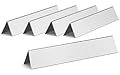
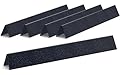
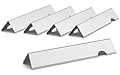
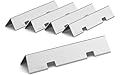
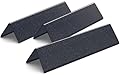
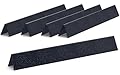
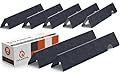
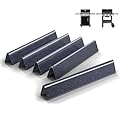
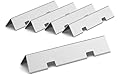
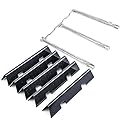
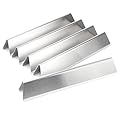
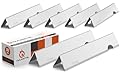
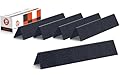
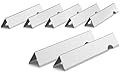
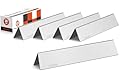
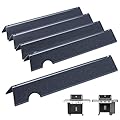
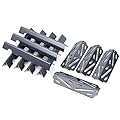
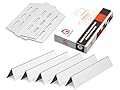
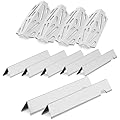
If you need to replace flavorizer bars for your grill, feel free to select the right ones from the listings below.










What Are Grill Flavorizer Bars?
Grill flavorizer bars are metal bars placed above the burners in gas grills. Their primary role is to catch drippings from the food as it cooks, preventing those juices from falling directly onto the burners and causing flare-ups. But the magic happens when these drippings vaporize on the hot surface of the flavorizer bars, creating a smoky vapor that infuses your food with additional flavor.
Essentially, they act as a heat shield while also adding flavor. They help create an even distribution of heat across the grill, which is crucial for achieving consistent cooking results. They’re often designed to be durable, heat-resistant, and easy to clean, which makes them a practical yet important feature of any grill.
Why Are Flavorizer Bars Important?
Flavorizer bars play several key roles that go beyond just preventing flare-ups. Here’s why they’re so important for your grilling setup:
1. Even Heat Distribution
Grill flavorizer bars ensure that heat is distributed evenly across the grill. By preventing the food drippings from directly falling onto the burners, they allow for more consistent cooking temperatures, reducing the chances of hot spots that can cause uneven grilling. This ensures that your food cooks more uniformly and that you get perfect results every time.
2. Enhanced Flavor
Perhaps the most significant benefit of flavorizer bars is their ability to enhance the flavor of your food. As juices from the food drip onto the hot surface of the bars, they vaporize and infuse the grill with a smoky, savory flavor. This is especially important for meats like steaks, chicken, and burgers, where you want that rich, grilled taste that can only come from indirect smoke.
3. Preventing Flare-Ups
Flare-ups can be a common problem when grilling, especially when fatty foods like burgers or ribs are cooked. These flare-ups occur when drippings fall directly onto the burners, causing flames to shoot up and potentially burn your food. Flavorizer bars prevent this by catching and vaporizing the drippings, which reduces the chances of flare-ups and helps you maintain control over the cooking process.
4. Increased Grill Longevity
By preventing excess grease and food particles from falling directly onto the burners, flavorizer bars help protect the burners from clogging and rusting. This leads to a longer lifespan for your grill and its components, saving you money in the long run. Cleaning and replacing flavorizer bars can be much easier than replacing entire burners or grills, making them an essential part of grill maintenance.
5. Improved Cooking Efficiency
Flavorizer bars also enhance cooking efficiency. The heat they generate radiates across the grill, allowing for quicker cooking times. This means that you can grill your favorite dishes with greater speed and precision, reducing the amount of time spent at the grill and allowing you to serve up delicious meals faster.
Types of Grill Flavorizer Bars
Not all flavorizer bars are created equal. There are several types, each made from different materials and designed to offer specific benefits. The most common materials used for flavorizer bars include:
1. Stainless Steel Flavorizer Bars
Stainless steel is one of the most popular materials for flavorizer bars, and for good reason. It’s durable, corrosion-resistant, and relatively easy to clean. Stainless steel bars heat up quickly and retain heat well, helping to create the ideal cooking environment for grilling. They’re also resistant to rust and rust stains, which makes them a great option for long-term use.
Pros:
- Highly durable and long-lasting
- Easy to clean
- Excellent heat retention
- Rust-resistant
Cons:
- Can be more expensive compared to other materials
- May require more frequent cleaning to maintain appearance
2. Porcelain-Coated Flavorizer Bars
Porcelain-coated flavorizer bars offer a slightly different experience. These bars are made from steel and then coated with porcelain to enhance their heat retention and help distribute heat more evenly. The porcelain coating helps to prevent grease buildup, making these bars easier to clean and maintain.
Pros:
- Excellent heat retention
- Easier to clean
- More affordable than stainless steel
- Even heat distribution
Cons:
- Porcelain can crack or chip over time, especially with heavy use
- Prone to rusting if the porcelain coating is damaged
3. Cast Iron Flavorizer Bars
Cast iron flavorizer bars are a popular choice for those who want maximum heat retention. Cast iron is known for its ability to hold and evenly distribute heat, making it an ideal material for grilling. These bars often come with a porcelain coating for added durability and easier cleaning.
Pros:
- Outstanding heat retention and even cooking
- Great for high-temperature grilling
- Durable if well-maintained
Cons:
- Heavy and difficult to handle
- Requires more maintenance to prevent rust
- Can be prone to cracking if not cared for properly
4. Aluminum Flavorizer Bars
Aluminum flavorizer bars are the least common but still a viable option for some grills. Aluminum is lightweight, resistant to corrosion, and generally more affordable than other materials. However, it’s not as durable or heat-retentive as other options, so it’s best suited for smaller or more budget-friendly grills.
Pros:
- Lightweight and easy to handle
- Resistant to corrosion
- More affordable
Cons:
- Less durable compared to stainless steel or cast iron
- Poorer heat retention
How to Choose the Right Grill Flavorizer Bars
Choosing the right flavorizer bars depends on several factors, including your grilling preferences, budget, and grill type. Here’s a breakdown of the most important considerations when making your decision:
1. Material and Durability
As mentioned earlier, grill flavorizer bars are made from various materials, each offering different levels of durability and heat retention. If you’re looking for a long-lasting solution, stainless steel and cast iron are great choices. However, if you’re on a budget and don’t mind a little more maintenance, porcelain-coated or aluminum flavorizer bars might be the better option.
2. Size and Fit
Not all grills are the same, so you’ll need to ensure that the flavorizer bars you choose fit your grill properly. Most manufacturers offer replacement flavorizer bars that are specific to their grill models, so be sure to check the measurements before purchasing. Many grills come with adjustable or universal flavorizer bars that can be adapted to fit a range of grill sizes.
3. Cooking Style
Think about your grilling style when choosing flavorizer bars. If you cook a lot of fatty meats like burgers or sausages, you’ll want bars that are designed to handle more grease. Stainless steel and cast iron are excellent choices for high-fat cooking, while porcelain-coated bars are great for ease of cleaning.
4. Budget
The material you choose will impact the cost of your flavorizer bars. Stainless steel and cast iron tend to be more expensive, while aluminum and porcelain-coated bars are more affordable. However, higher-end options tend to last longer, so they may provide better value in the long run.
Maintaining Your Grill Flavorizer Bars
Proper maintenance is essential for ensuring that your flavorizer bars last as long as possible. Here are some tips for keeping your bars in top shape:
1. Regular Cleaning
After each grilling session, make sure to clean the flavorizer bars to prevent grease buildup. For stainless steel bars, simply wipe them down with a damp cloth or use a grill brush to remove any food particles. For porcelain-coated and cast iron bars, scrub them gently with a grill brush and avoid using harsh chemicals that could damage the coating.
2. Avoiding Excess Grease Buildup
Excess grease buildup can reduce the effectiveness of your flavorizer bars and even cause flare-ups. Clean the bars regularly to prevent this buildup, and make sure to scrape off any excess grease after each grilling session.
3. Replacing Damaged Bars
Even the best flavorizer bars will eventually wear out. If you notice cracks, rust, or extreme discoloration, it may be time to replace them. Look for high-quality replacements that are compatible with your grill model to ensure optimal performance.
4. Storing Your Bars Properly
When not in use, store your flavorizer bars in a dry, cool location to prevent rust and corrosion. If you’re storing your grill outdoors, consider covering it with a grill cover to protect the flavorizer bars from the elements.
When to Replace Your Grill Flavorizer Bars
While flavorizer bars can last for several years with proper maintenance, they will eventually need to be replaced. Here are some signs that it’s time to invest in new bars:
1. Excessive Rusting or Corrosion
If your flavorizer bars are showing signs of heavy rusting or corrosion, they may no longer be effective in distributing heat or flavor. In this case, it’s time to replace them.
2. Warping or Cracking
Warped or cracked flavorizer bars can’t do their job properly. If you notice any significant warping or cracking, it's best to replace the bars to maintain optimal grill performance.
3. Increased Flare-Ups
If your grill is producing more flare-ups than usual, it could be a sign that your flavorizer bars are worn out. Since flavorizer bars prevent flare-ups by vaporizing drippings, replacing old bars can help restore your grill’s effectiveness.