
Grill Cleaning Robots (Grillbots)
There's nothing quite like firing up the grill on a summer evening — the sizzle, the smoke, the smell of something delicious coming together over an open flame. But when the cooking is done and everyone's full and happy, the last thing you want to deal with is scrubbing away layers of charred grease, food residue, and carbon buildup from your grates. That's where grill cleaning robots — commonly known as Grillbots — change everything.
These compact, automated devices handle one of the most dreaded outdoor cooking chores so you don't have to. If you've been curious about what they are, how they work, and whether one deserves a spot in your outdoor kitchen, you've come to the right place.
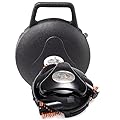
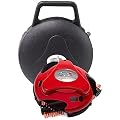
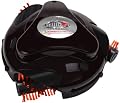
What Is a Grill Cleaning Robot?
A grill cleaning robot is a battery-powered, autonomous device designed to scrub grill grates clean without any manual effort from you. You place it directly onto your grates — while the grill is still warm, or after it's cooled down depending on the model — press a button or set a timer, close the lid, and let it run. The robot uses rotating wire brushes to sweep back and forth across the grates, dislodging grease, food particles, and burned-on residue.
The original and most recognized brand in this category is Grillbot (stylized as one word), which launched as a crowdfunded concept and became a genuine household name among backyard BBQ enthusiasts and grilling purists alike. Over time, the term "Grillbot" has become something of a generic shorthand — much like how people say "Kleenex" for any tissue — though Grillbot remains the pioneer and market leader.
These devices are designed to work on most standard grill types, including gas grills, charcoal grills, and pellet smokers, provided the grates are flat or gently contoured enough for the robot to navigate across them.
How Grill Cleaning Robots Actually Work
The mechanics are surprisingly simple, and that's part of what makes them so appealing. A grill cleaning robot typically consists of a rugged, heat-tolerant housing that protects the motor and battery, two or three rotating wire brush heads mounted underneath, and built-in bumpers that help the device navigate around the grate's boundaries without falling off.
When you switch it on, the robot begins moving in small, randomized patterns — similar to how a Roomba moves across a floor — while the brushes spin against the grate surface. This dual action (movement plus rotation) creates a scrubbing motion that's often more effective than hand-scrubbing because the brushes apply consistent downward pressure across the entire surface area over time.
Most models include a timer function. You can typically set the device to run for anywhere from 10 to 30 minutes, after which it automatically shuts off. Some higher-end models include alarms and auto-shutoff features if internal temperatures get too high — an important safety consideration, especially if you're using the robot on a warm grill.
The brush heads are almost always removable and replaceable. This is a key maintenance point: grill cleaning robots are only as effective as their brushes, and worn bristles need to be swapped out periodically just as you'd replace a traditional grill brush.
Key Features to Look For
Not all grill cleaning robots are created equal. When you're shopping for one, here are the features that actually make a difference in day-to-day use.
Brush Quality and Material
The brushes are the heart of the whole operation. Look for stainless steel bristles that are tightly bound into the brush head — loose bristles can detach and land on your grate, which is a food safety concern you absolutely want to avoid. Some newer models use coiled spring-style brushes rather than traditional wire bristles, which reduces shedding significantly. Always prioritize brush quality over price when evaluating these products.
Heat Tolerance
Grill cleaning is most effective when done right after cooking, when the grates are still warm and residue hasn't fully hardened. That means the robot needs to handle moderate heat. Most Grillbot models are rated to operate safely on grates up to around 250°F. Check the manufacturer's maximum temperature rating before using the device on a hot grill, and never place the robot on grates that exceed those specs.
Battery Life and Charging
Most grill cleaning robots are rechargeable via USB or a proprietary charging dock. Battery life typically ranges from 30 to 60 minutes of continuous operation, which is more than enough for a standard cleaning cycle. Look for a model with a clear battery indicator — a low-battery warning mid-cycle means the job might not get finished.
Timer and Auto-Shutoff
A programmable timer lets you set the cleaning duration and walk away completely. The best models will alert you with a beep when the cycle is complete and will shut down automatically. Auto-shutoff for overheating is a non-negotiable safety feature on quality devices.
Grate Compatibility
Check whether the robot is designed for your specific grate style. Flat, parallel-bar grates are the easiest for these devices to navigate. Cast iron grates with deeper grooves or unusual angles may require a bit more trial and error. Grill cleaning robots generally don't work well on round kettle grill grates or heavily contoured surfaces without some limitations.
Grillbot vs. Traditional Grill Brushes: What's the Real Difference?
You might be wondering whether a grill cleaning robot is genuinely better than just using a standard wire brush or a bristle-free scraper. The honest answer is: it depends on how you value your time and how seriously you take grill maintenance.
Traditional grill brushes are inexpensive, effective when used correctly, and work on any grate style. The downside is that they require effort and consistency. Many people scrub for 30 seconds and call it good, leaving behind residue that builds up into a stubborn layer of carbonized grease over time.
Grill cleaning robots handle that consistency problem automatically. Set it and forget it. The device scrubs every part of the grate repeatedly over a full 10-to-30-minute cycle, which tends to produce a more thorough clean than most people achieve by hand in far less time. For frequent grillers — people who use their grill multiple times a week — that adds up to a meaningful amount of saved time and effort over a season.
There's also a safety argument. Traditional wire brushes are the subject of ongoing food safety concerns in the U.S., particularly around loose bristles that can become embedded in grates and transferred to food. Models that use coiled-spring or non-wire brush heads eliminate this risk entirely.
The tradeoff is cost and maintenance. A quality grill cleaning robot runs $60 to $130 depending on features and brand, versus $10 to $30 for a traditional brush. Replacement brush heads add ongoing cost. And the robot requires charging, which means remembering to plug it in before your next cookout.
Who Should Buy a Grill Cleaning Robot?
Grill cleaning robots make the most sense for certain types of grillers. You'll probably love one if you fall into any of these categories.
Frequent grillers. If you're using your grill three or more times a week during grilling season, the time savings add up quickly. A robot that cleans while you eat or relax is a genuine lifestyle upgrade.
People who hate cleaning. This one's obvious. If grill maintenance is the thing that gets in the way of you enjoying outdoor cooking more often, removing that friction has real value.
Those with mobility limitations. Scrubbing a grill grate requires arm strength and can be uncomfortable for people with joint issues or limited mobility. A grill cleaning robot handles all of that without any physical exertion.
Serious backyard chefs. Anyone who cares about food quality knows that a clean grill cooks better. Residue buildup affects flavor and can cause flare-ups. Regular automated cleaning keeps the cooking surface in peak condition.
Tips for Getting the Best Results
A grill cleaning robot works best when you use it correctly and maintain it consistently.
Clean after every cook. Don't let residue accumulate over multiple uses. Running the robot after each grilling session — while the grates are still warm — is far more effective than trying to tackle weeks of buildup.
Preheat for five minutes before placing the robot. A brief preheat burns off loose debris and softens grease, making the robot's job significantly easier.
Replace brush heads regularly. Worn brushes are less effective and more prone to shedding. Check the bristles every five to ten uses and replace the heads as soon as you notice wear.
Charge between sessions. Keep the battery topped off so the robot is always ready when you need it. Many users make charging it part of their post-grill routine — plug it in right after removing it from the grates.
Empty the drip tray. Grease and debris collect in a small tray underneath the device. Empty and clean this tray regularly to keep the robot operating at full efficiency and to prevent odors.
Understanding the Grillbot Ecosystem
The Grillbot brand offers several models with varying price points, brush configurations, and features. Entry-level models handle the basics well and are a solid starting point for anyone new to automated grill cleaning. Premium models include LCD displays, longer battery life, multiple timer settings, and more durable construction designed to withstand years of heavy outdoor use.
Beyond the base unit, the Grillbot ecosystem includes replacement brush sets in different materials and configurations for various grate types, cleaning solution formulas designed to work alongside the robot for extra-tough buildup, and protective covers to keep the device clean when not in use.
If you already own a Grillbot and are looking to extend its life, investing in high-quality replacement brushes made specifically for your model is the single best maintenance move you can make.
Finding the Right Model for Your Setup
When browsing grill cleaning robots, start by identifying your grate type and size. Measure the internal dimensions of your grilling surface and compare against the device's coverage area listed in product specs. Consider how often you grill, what your budget is, and whether features like LCD timers or high-heat tolerance matter for your specific situation.
Read user reviews with attention to long-term reliability. A grill cleaning robot is a tool that should last multiple seasons with proper care, so customer feedback about durability and brush longevity is particularly valuable.
Whether you're a weekend warrior who fires up the gas grill for family cookouts or a dedicated pitmaster running a pellet smoker through the cold months, there's a grill cleaning robot in this category that fits your routine. The goal is always the same: spend less time on the messy part and more time enjoying everything that great grilling has to offer.