
Grill Brushes
Grill brushes are essential tools for keeping your grill clean and your food tasting its best. Whether you choose a wire brush, nylon brush, or a more advanced brushless cleaning system, regular maintenance is key to a successful grilling experience. By selecting the right brush and cleaning your grill effectively, you'll be able to enjoy delicious meals without worrying about residue, safety, or performance issues.
Clean grills lead to great food, and great food leads to unforgettable grilling experiences. So grab your grill brush and start cleaning today!



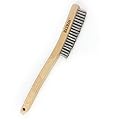
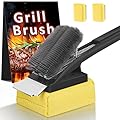

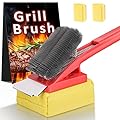
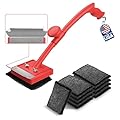

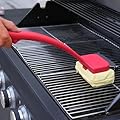

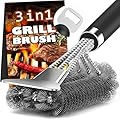
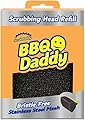

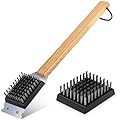
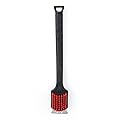
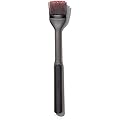
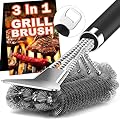
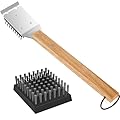
![SIMPLETASTE Grill Brush and Scraper, Cherry Wooden Handle Wire Grill Brush for Grill Grate Cleaner Plus Stainless Steel Bristles Head for Replacement, Durable & Effective BBQ Tool [Upgraded]](https://m.media-amazon.com/images/I/31yRy30wqmL.01_SL120_.jpg "SIMPLETASTE Grill Brush and Scraper, Cherry Wooden Handle Wire Grill Brush for Grill Grate Cleaner Plus Stainless Steel Bristles Head for Replacement, Durable & Effective BBQ Tool [Upgraded]")

What Is a Grill Brush?
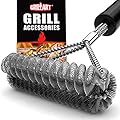
A grill brush is a cleaning tool specifically designed to scrub away grease, grime, food remnants, and carbon build-up from your grill grates. Grill brushes come in various shapes, sizes, and materials, but they all share one common goal: to keep your grill spotless and your cooking surface in top condition.
Using a grill brush is simple but highly effective. By scrubbing the grates before and after grilling, you can ensure that they remain free from old food residues and debris, helping you achieve better grilling results. But not all grill brushes are created equal. Let's take a deeper dive into the different types of grill brushes available, so you can choose the one that best suits your needs.
Types of Grill Brushes
There are several types of grill brushes, each designed to clean your grill in a different way. Depending on the material of your grates and your personal preferences, you can choose from the following types of grill brushes:
1. Wire Grill Brushes
Wire grill brushes are the traditional and most commonly used type. These brushes feature bristles made from steel, brass, or stainless steel, which are effective at scrubbing away stubborn grime and food residues. The bristles are designed to scrape the grill grates clean, even in hard-to-reach corners.
Pros:
- Effective at cleaning tough build-up
- Lasts a long time when cared for properly
- Good for traditional metal grill grates
Cons:
- Can damage porcelain or cast iron grates if not used carefully
- Bristles may fall out over time, which could be a safety concern
2. Nylon Grill Brushes
Nylon grill brushes are a gentler alternative to wire brushes. They feature soft bristles that are safe to use on all types of grill grates, including porcelain-coated, cast iron, and ceramic surfaces. Nylon brushes are designed to clean without scratching or damaging delicate grill surfaces.
Pros:
- Safe to use on all grill types
- Ideal for porcelain-coated and ceramic grates
- Won’t scratch or damage your grill
Cons:
- Less effective at removing tough, stuck-on debris
- May wear down faster than wire brushes
3. Wooden Grill Brushes
Wooden grill brushes are an eco-friendly and natural option for grill cleaning. These brushes are typically made from hardwood and feature grooves or ridges that scrape off food particles and grime. Some models even come with a special scraper attached to the handle for tougher build-up.
Pros:
- Eco-friendly and sustainable
- Gentle on grill surfaces
- Long-lasting with proper care
Cons:
- May not be as effective at scrubbing tough debris
- Can take more effort to clean than wire brushes
4. Combination Grill Brushes
Some grill brushes are designed with both wire bristles and other cleaning features, such as a scraper or even a sponge for wiping down surfaces. These combination brushes provide versatility and are ideal for cleaning different parts of your grill, from the grates to the grease tray.
Pros:
- Multi-functional and versatile
- Good for deep cleaning
- Works well for tough-to-reach areas
Cons:
- May be bulkier than single-purpose brushes
- Can be harder to clean
5. Brushless Grill Cleaning Systems
In recent years, brushless grill cleaning systems have gained popularity. These devices use a rotating or vibrating mechanism to clean grill grates. They are often electric-powered and require minimal manual effort.
Pros:
- Easy to use with minimal effort
- Very effective at cleaning grill grates
- Safe and efficient
Cons:
- More expensive than traditional brushes
- Requires batteries or charging
Choosing the Right Grill Brush for Your Needs
When selecting a grill brush, there are several factors to consider. Here’s a breakdown of the most important aspects to keep in mind:
1. Material of Your Grill Grates
If your grill has porcelain-coated grates, be cautious about using wire brushes. The metal bristles can sometimes damage the coating. For porcelain, ceramic, or cast iron grates, nylon brushes or wooden brushes are your best bet. For traditional metal grates, wire brushes are effective and safe.
2. Size of Your Grill
The size of your grill will determine the length of the brush you need. If you have a large grill, look for a longer brush to ensure you can reach all areas without straining. A longer handle also allows for more leverage and a more comfortable cleaning process.
3. Bristle Thickness
Thicker bristles are generally better at scrubbing away tough, stuck-on debris, but thinner bristles can be more effective for delicate surfaces. For heavy-duty cleaning, choose a wire brush with thick bristles. For lighter cleaning or gentler surfaces, a nylon or wooden brush is a safer choice.
4. Durability
A durable grill brush is essential for long-term use. Look for a brush made from high-quality materials like stainless steel or hardwood to ensure it holds up over time. Additionally, check for features like a replaceable head or reinforced bristles for added longevity.
5. Ease of Cleaning
Grill brushes can get dirty quickly, so it's essential to choose one that's easy to clean after each use. Brushes with removable heads or those that can be rinsed clean with a hose are ideal for maintaining a tidy, hygienic tool.
How to Use a Grill Brush Effectively
Using a grill brush may seem straightforward, but there are certain techniques you can follow to ensure the best results. Here are some tips for cleaning your grill grates effectively:
1. Preheat Your Grill
Before you start scrubbing, it’s a good idea to preheat your grill. This loosens up the grease and food particles, making them easier to clean. Turn your grill on to a medium-high heat and let it run for 10–15 minutes. This will help burn off some of the debris.
2. Scrub While the Grill is Hot
Once the grill has heated up, use your brush to scrub the grates while they are still warm. This is the most effective time to clean, as the heat helps to loosen any debris or grease. Be sure to brush in a back-and-forth motion to ensure you cover all areas of the grates.
3. Use a Scraper for Stubborn Build-Up
If there is a lot of stuck-on food or carbon, a scraper can be a helpful tool to use in addition to your brush. A flat scraper or a combination brush with a built-in scraper will help you remove tough build-up without damaging the grates.
4. Clean Both Sides of the Grates
Don’t forget to clean both the top and bottom sides of your grill grates. Food particles can accumulate on both sides, and cleaning just one side won’t give you a truly spotless grill.
5. Rinse and Dry
After cleaning, rinse your grill grates with water to remove any remaining debris. Allow them to dry thoroughly before cooking again to prevent rust or corrosion.
The Benefits of Regular Grill Cleaning
Regularly cleaning your grill with a grill brush offers several benefits, including:
1. Prevents Flavor Contamination
Old grease and food particles can negatively impact the flavor of your food. A clean grill ensures that your food tastes fresh and delicious, free from the smoky residue of previous meals.
2. Reduces Bacteria and Germs
Grills that are used regularly can harbor bacteria, mold, and germs. A well-cleaned grill reduces these risks and helps ensure your cooking surface is safe for food preparation.
3. Prevents Grill Damage
Grease, grime, and food residues can cause your grill to rust and deteriorate over time. Regular cleaning preserves the integrity of your grill, ensuring it lasts for many grilling seasons to come.
4. Improves Grill Performance
A clean grill works more efficiently. Grills with less build-up heat more evenly, cook food more consistently, and offer better results overall.