
Shawarma Grills
A shawarma grill is the perfect addition to your kitchen or outdoor grilling setup if you want to recreate the iconic flavors of shawarma at home. With a variety of models available—ranging from gas-powered to electric, charcoal, and even portable options—there’s a shawarma grill to suit every cooking style and budget.
By selecting the right shawarma grill and following proper techniques for marinating, cooking, and serving, you’ll be able to enjoy authentic, delicious shawarma whenever you like. Whether you’re cooking for family and friends or experimenting with new recipes, your shawarma grill will help you achieve juicy, flavorful meat that will impress even the most discerning taste buds.


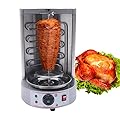


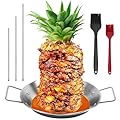
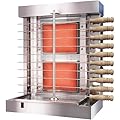
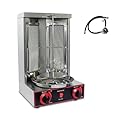

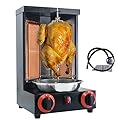
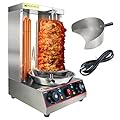
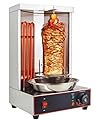


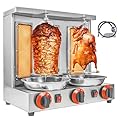
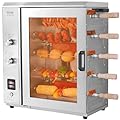
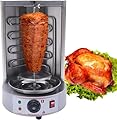
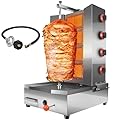
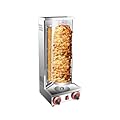
What Is a Shawarma Grill?
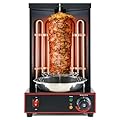
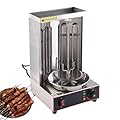
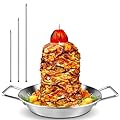
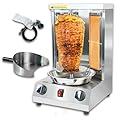
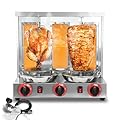
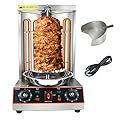
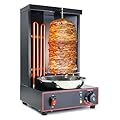
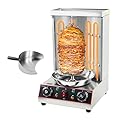
A shawarma grill is a specialized piece of cooking equipment used to prepare shawarma, a popular Middle Eastern dish that features marinated meat—typically lamb, beef, chicken, or turkey—stacked on a vertical rotisserie spit. The meat is slowly cooked as it turns on the spit, with heat coming from a gas or electric source. As the outer layers of meat are cooked, they are shaved off, resulting in thin, flavorful slices of meat that are served in pita bread or flatbreads, often with vegetables and sauces.
Unlike regular grills or rotisseries, shawarma grills are specifically designed to replicate the traditional vertical roasting method. This allows for the characteristic crispiness on the outside of the meat, while keeping the inside juicy and tender. Shawarma grills are often equipped with features like adjustable spits, vertical rotisseries, and heat controls that allow you to perfectly cook shawarma just like it’s made in restaurants and food stalls.
Types of Shawarma Grills
When choosing a shawarma grill, it’s important to consider the different types available. The primary difference between the models lies in the heat source and cooking style. Below are the most common types of shawarma grills:
1. Gas Shawarma Grills
Gas-powered shawarma grills are popular for both commercial and home use. They use propane or natural gas as the heat source and are known for their consistent heat and precise temperature control. These grills typically have a vertical rotisserie with a gas burner positioned near the meat, ensuring that it is cooked evenly. Gas shawarma grills are a great option for those who want an easy-to-use, efficient grill.
Pros:
- Quick Heat-Up: Gas grills heat up quickly, which is ideal for fast grilling.
- Even Cooking: With precise temperature control, gas grills offer even cooking and less fluctuation in heat.
- Convenient: Easy to control the temperature with a gas regulator.
Cons:
- No Smoky Flavor: While gas grills cook quickly and efficiently, they don’t provide the same smoky flavor that comes with charcoal grilling.
- Higher Operating Costs: Propane or natural gas can add up over time, especially if you use the grill frequently.
2. Charcoal Shawarma Grills
Charcoal shawarma grills offer a more traditional grilling experience and are preferred by many purists. Charcoal provides a smoky flavor that enhances the meat’s taste and adds that authentic charred texture. These grills typically feature a vertical spit with a charcoal bed beneath it to provide heat from below. The charcoal’s heat radiates upward, cooking the meat while also imparting that signature smoky flavor that’s a hallmark of shawarma.
Pros:
- Smoky Flavor: Charcoal grilling imparts a deep, smoky flavor that enhances the shawarma’s taste.
- High Heat: Charcoal grills can achieve higher temperatures, which results in crispy, caramelized meat.
- Authentic Cooking: For those who want the traditional shawarma experience, charcoal grilling is the way to go.
Cons:
- Longer Heat-Up Time: Charcoal takes longer to ignite and reach the desired cooking temperature.
- Less Control: Temperature control can be difficult to manage, as you rely on adjusting the amount of charcoal and airflow.
3. Electric Shawarma Grills
Electric shawarma grills are the most convenient and easy-to-use option, especially for indoor cooking. These grills work by using electric heating elements to generate heat, cooking the meat as it rotates on the vertical spit. Electric shawarma grills are compact, lightweight, and often come with adjustable temperature settings for more control over cooking.
Pros:
- Indoor Use: Electric shawarma grills are perfect for kitchens or areas without access to gas or charcoal.
- Precise Temperature Control: Electric models offer consistent heat and easy temperature adjustments.
- Clean and Convenient: No charcoal or propane is required, which makes for a cleaner cooking experience.
Cons:
- Lack of Smokiness: While they are efficient, electric grills don’t provide the smoky flavor that charcoal offers.
- Limited Heat: Electric grills typically don’t reach the high temperatures of gas or charcoal models, which can affect the crispiness of the meat.
4. Portable Shawarma Grills
For those who enjoy grilling on the go, portable shawarma grills are the ideal solution. These compact models are designed for outdoor use, making them perfect for camping trips, picnics, or tailgating. Portable shawarma grills can be either gas or charcoal-powered and are often smaller than traditional models, with a more lightweight design for easy transport.
Pros:
- Portability: Compact and lightweight, portable shawarma grills are easy to carry and set up.
- Versatile: Many portable models can be used with either charcoal or gas, giving you flexibility in your cooking method.
- Quick and Convenient: Easy to assemble and start grilling without much setup.
Cons:
- Limited Capacity: Smaller cooking surface means that you can only cook a limited amount of meat at a time.
- Less Power: Portable grills may not generate the high heat of larger, full-sized models, which may impact the quality of the cooked meat.
Key Features to Look for in a Shawarma Grill
When selecting a shawarma grill, there are several important features to keep in mind to ensure that you get the best cooking experience. Here are the top features to consider:
1. Rotating Vertical Spit
A rotating spit is the key component of any shawarma grill. This mechanism allows the meat to rotate slowly, ensuring even cooking and uniform browning on all sides. Some models come with manual rotation, while others may offer motorized spits for automatic rotation, making the process even easier. Look for a model that offers smooth, continuous rotation for the best results.
2. Adjustable Heat Settings
Being able to control the heat is essential for cooking shawarma to perfection. A good shawarma grill should offer adjustable heat settings, allowing you to control the intensity of the heat based on the thickness of the meat and your desired level of crispiness. Models with variable heat zones or a temperature control dial give you more flexibility and precision.
3. Drip Tray or Grease Tray
As the meat cooks, it will release fat and juices that drip down. A drip tray or grease tray is a convenient feature that collects these drippings, preventing them from burning on the grill or creating a mess. It also allows you to keep the cooking area clean and prevents flare-ups that can occur when fat hits the heat source.
4. Capacity and Size
The size and capacity of the shawarma grill are crucial factors to consider, especially if you plan on cooking for large groups. Some shawarma grills are designed for home use, with smaller spits and limited capacity, while others are meant for commercial kitchens and can handle large amounts of meat. Consider how much shawarma you plan to make and choose a grill that fits your needs.
5. Durability and Material
Look for a shawarma grill made from high-quality materials such as stainless steel or heavy-duty cast iron. These materials ensure durability and longevity, even when exposed to high heat. Additionally, grills made from stainless steel are easier to clean and maintain, making them ideal for home kitchens.
6. Ease of Cleaning
Cleaning a shawarma grill can be a bit more involved than a standard grill due to the rotating spit and grease buildup. Look for a model with removable parts like the spit, drip trays, and grease collector, as these can be easily cleaned. Some grills also feature non-stick surfaces that make cleanup quicker and more efficient.
Tips for Perfectly Grilled Shawarma
Cooking shawarma at home can be a fun and rewarding experience, but achieving that perfectly grilled flavor takes a little practice. Here are some tips to help you make the most of your shawarma grill:
1. Marinate the Meat Well
Shawarma’s distinct flavor comes from the marinade, which often contains ingredients like garlic, yogurt, lemon juice, spices (such as cumin, paprika, and turmeric), and olive oil. Marinate your meat for at least 4-6 hours (or overnight) for the best results. This allows the flavors to penetrate the meat, making it more tender and flavorful.
2. Layer the Meat Properly
When stacking the meat onto the spit, be sure to layer it evenly. This will help ensure that the meat cooks uniformly. You can alternate layers of meat with vegetables, such as onions or tomatoes, to add more flavor and texture to the shawarma.
3. Monitor the Cooking Process
Keep an eye on the cooking process, especially if you're using a gas or charcoal grill. As the outer layers of the meat cook, you’ll need to shave off the cooked portions and allow the rest of the meat to continue cooking. This ensures that each slice is fresh, tender, and perfectly cooked.
4. Use the Right Tools
Use a sharp knife or shawarma slicing tool to shave off the meat from the spit. This allows you to get thin, even slices that will cook evenly and create the perfect texture. You may also want to have a meat thermometer on hand to check the internal temperature of the meat and ensure it is fully cooked.
5. Serve with Fresh Accompaniments
Shawarma is often served with pita bread, flatbreads, or wraps, along with a variety of fresh garnishes like tomatoes, cucumbers, onions, and parsley. Adding a drizzle of garlic sauce, tahini, or yogurt sauce will elevate the flavor and provide a creamy contrast to the savory meat.